From Cyril Mbah, Abuja
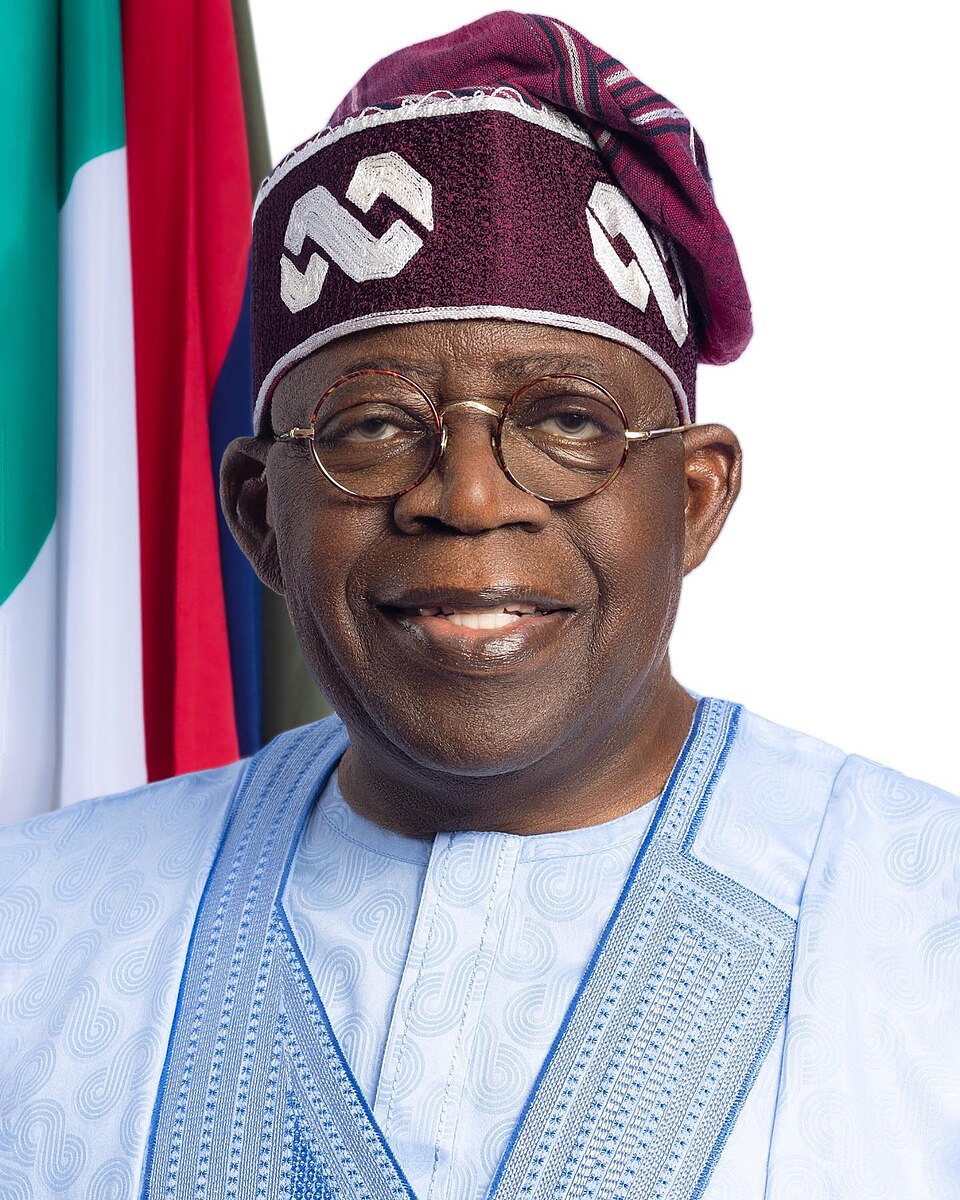
President Bola Ahmed Tinubu has called for aggresive and fresh continental push to end historical exploitation of Africa’s critical mineral resources, urging African nations to unite and halt export of raw materials.
The President demanded firm alliance among African countries to ensure the continent transitions from being the mere supplier of raw minerals to a hub for local processing, manufacturing and value addition.
Tinubu made the call in New York, United States, during the 3rd Africa Minerals Strategy Group, (AMSG), High-Level Roundtable on Critical Minerals Development in Africa, held on the sidelines of the 81st Session of the United Nations General Assembly, (UNGA) according to a statement issued by the State House on Tuesday.
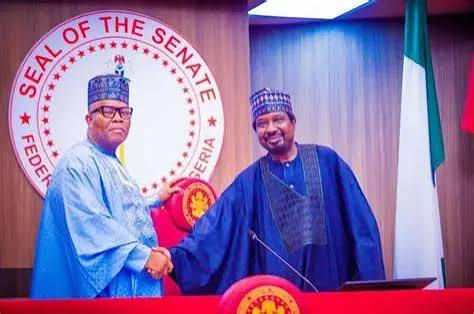
The roundtable, convened and chaired by President Tinubu, was attended by his deputy, Vice President Kashim Shettima, alongside AMSG Chairman and Minister of Solid Minerals, Dr. Dele Alake.
Themed “From Resources to Wealth: Continental Cooperation for Mineral Value Addition, Data Sovereignty, Innovative Financing and Critical Minerals Security,” the dialogue focused on transforming Africa’s mineral wealth into sustainable economic growth.
In his address delivered by Senator Shettima, President Tinubu said the continent cannot claim to be wealthy while its children wallow in poverty amid mines that enrich the world.
“For generations, Africa has furnished the materials of prosperity elsewhere. Our duty is to ensure that the future being fashioned from African minerals has room for African ambition,” he declared.
Tinubu regretted that mineral-rich communities lack infrastructure, jobs and a stake in their own wealth at a time when global demand for clean energy, AI and advanced manufacturing has made Africa’s cobalt, copper, lithium and rare earth elements indispensable.
According to him, the answer must be processing, refining, batteries, components, African technologies and competitive skills, stressing that the worth of a mine must be counted in lives it improves.
The President warned that no African country can achieve this alone, noting that competing through lower royalties, weaker local content and excessive concessions will only weaken the continent’s negotiating power.
“Fragmentation leaves us exporting raw materials and buying finished goods at a premium. Cooperation gives our markets scale, our industries integration, our financing reach and our negotiations authority,” he said.
On Nigeria’s reforms, Tinubu said his administration now requires local value addition for new mining licenses, strengthens geological data, organises artisanal miners into cooperatives, combats illegal mining and improves regulatory accountability.
He noted that mining revenue rose from approximately N6 billion in 2023 to over N38 billion in 2024 and between N68.1 billion and N70 billion in 2025, with major foreign investments and large-scale lithium processing commissioned in Nasarawa State.
The President called for reliable partnerships grounded in mutual benefit, sovereign equality and respect for Africa’s priorities, and said the Continental Integration and Economic Assurance Declaration adopted at the roundtable must create a predictable, investment-ready environment for Africa’s Strategic Mineral Corridors.
Declaring the roundtable open, Tinubu said: “Africa’s power resides in its people, markets and ingenuity. No outsider will organise our continent or place our industrial interests above their own. We must integrate our markets, mobilise African capital and negotiate with one voice.”
Earlier, AMSG Chairman, Dele Alake, said the group is proposing a Continental Integration and Economic Assurance Declaration as a landmark framework for unified value chains, and he urged African countries yet to join the group to do so.
Kenya’s Minister of Blue Economy and Maritime Affairs, Hassan Ali Joho, also underscored domestic resource mobilisation and transparency, while representatives of Liberia, Chad and Tanzania made contributions.