From Cyril Mbah, Abuja
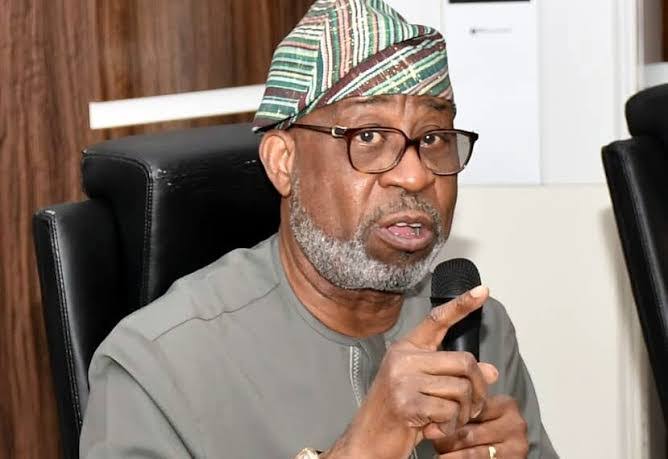
The Director-General of the Raw Materials Research and Development Council, (RMRDC), Prof. Nnanyelugo Ike-Muonso, has said that President Bola Ahmed Tinubu’s re-election must not be compromised because it has become critical to consolidating Nigeria’s industrial transformation.
Ike-Muonso said continuity would help attract investments and create jobs through local processing of abundant natural resources, accelerating establishment of processing plants and manufacturing clusters nationwide.
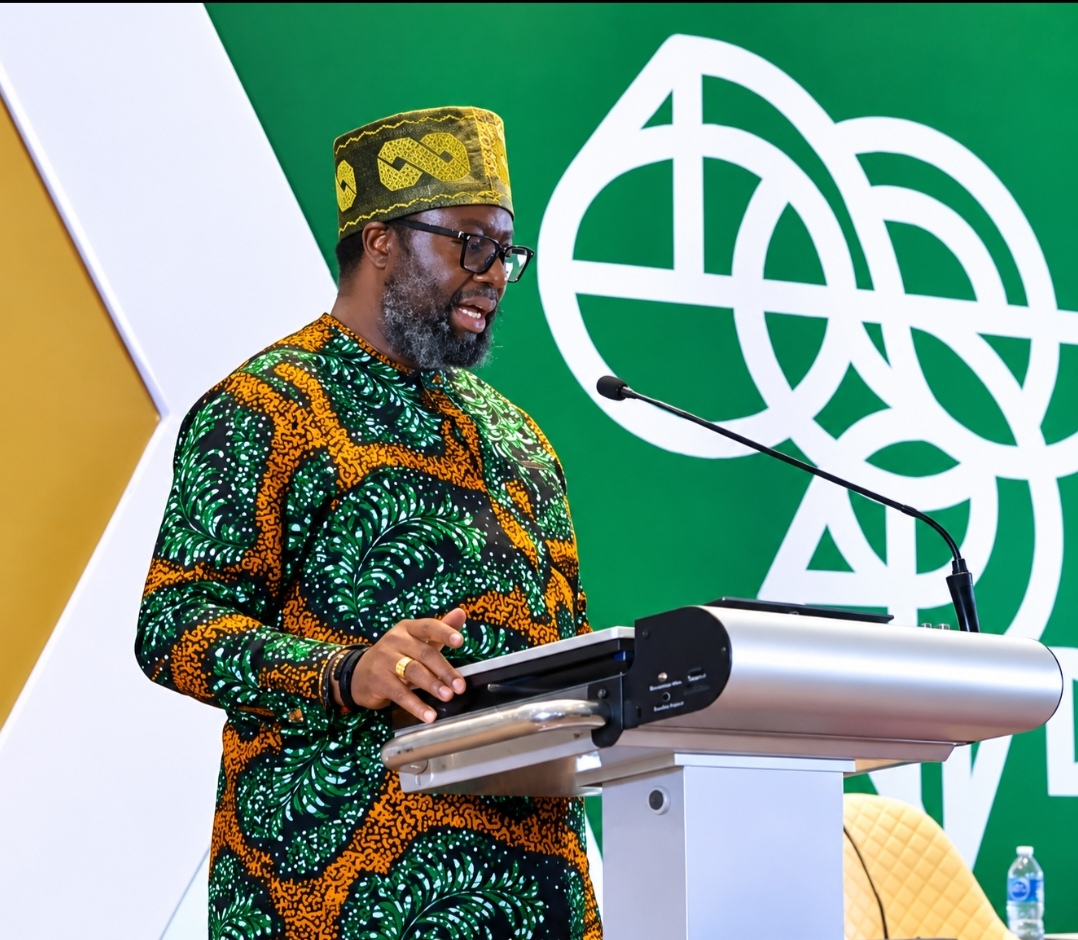
He spoke on Monday in Abuja in his welcome address at the second African Raw Materials Summit 2026 themed “From African Feedstock to African Factories.”
He argued that major projects like battery-refining complexes and heavy manufacturing facilities require sustained policy implementation, warning that policy uncertainty could undermine investments and delay transition from raw material exporter to manufacturing powerhouse.

“To solidify these gains and complete the transition from feedstock exporter to industrial power, we must sustain this momentum, maintain policy predictability, and support President Bola Ahmed Tinubu’s visionary leadership for a consolidated second term,” he said.
The RMRDC chief said Nigeria can no longer export natural resources without substantial local processing, which deprives the country of jobs, expertise and wealth.
He identified the African Continental Free Trade Area, (AfCFTA), which has 1.3 billion people market, as opportunity for expanding manufacturing, but warned that it will deliver limited benefits without manufacturing capacity to compete with imports.
Ike-Muonso identified the proposed 30 per cent Raw Materials Value Addition Bill as key instrument to strengthen domestic processing, projecting that it could generate over 1.2 million high-value jobs, attract FDI into industrial clusters and increase annual non-oil export earnings by over $1.2 billion.
The bill would require at least 30 per cent primary processing in Nigeria before export.
Ike-Muonso urged participants to use the summit to secure concrete industrial agreements, proposing continental raw materials value-addition compact, industrial investment pipeline, shared intelligence platforms and regional value chains supported by AfCFTA.
Also speaking, the Minister of State for Industry, Trade and Investment, Senator John Enoh, also called for passage of the bill to strengthen domestic manufacturing and capture more value.
Enoh said Africa has abundant resources but lacks industrial capacity, losing jobs and economic value, adding “this subject is beyond a subject. It is like a summons to Nigerians and Africans to wake up the raw material giant that Africa has become.”
Citing lithium in DRC, cocoa in Ghana and Cote d’Ivoire, and copper in Zambia, Enoh said the continent has resources for large-scale industrial development and urged development partners to invest in processing facilities.
He said government is strengthening industrial policy framework and will use periodic implementation reports to monitor progress.
Ike-Muonso cited Nigeria First Policy introduced in May 2025 by the present administration and Nigeria Industrial Policy 2025 as complementary initiatives, noting that over N644.9 billion was mobilised through Bank of Industry in 2025 supporting about 1.7 million direct and indirect jobs.
He said RMRDC is translating policies into practical applications through pilot processing plants for mineral beneficiation, lithium concentration, agricultural processing and chemical extraction, and he highlighted Nigeria’s Integrated Information Statistical System for Raw Materials and Products to map deposits that connects resource owners, researchers, investors and manufacturers.
DG of National Automotive Design and Development Council, Otunba Oluwemimo Joseph Osanipin, said automotive industry could benefit from local sourcing of batteries, plastics, copper for vehicle production, especially electric vehicles, calling for collaboration among universities, research institutions and private companies.
The Director General of the Nigerian Geological Survey Agency, Prof. Olusegun Ige, called for stronger cooperation with the Ministry of Solid Minerals Development to identify and process mineral deposits, while the DG of Pan-African Alliance for Small and Medium Industries, Dr. Henry Emejeo, described value addition as essential to economic independence.
The Minister of Mineral Resources of Sudan, Dr. Dayan Tahar, listed local processing, reliable energy, market access and tackling smuggling as priorities, calling for transparent investment procedures and stronger cooperation.
The summit also drew representatives of African governments, ECOWAS, development partners, civil society and heads of MDAs who called for sustained political commitment and investment in processing infrastructure.